Smart Business Crisis Management Practices for Long-Term Growth
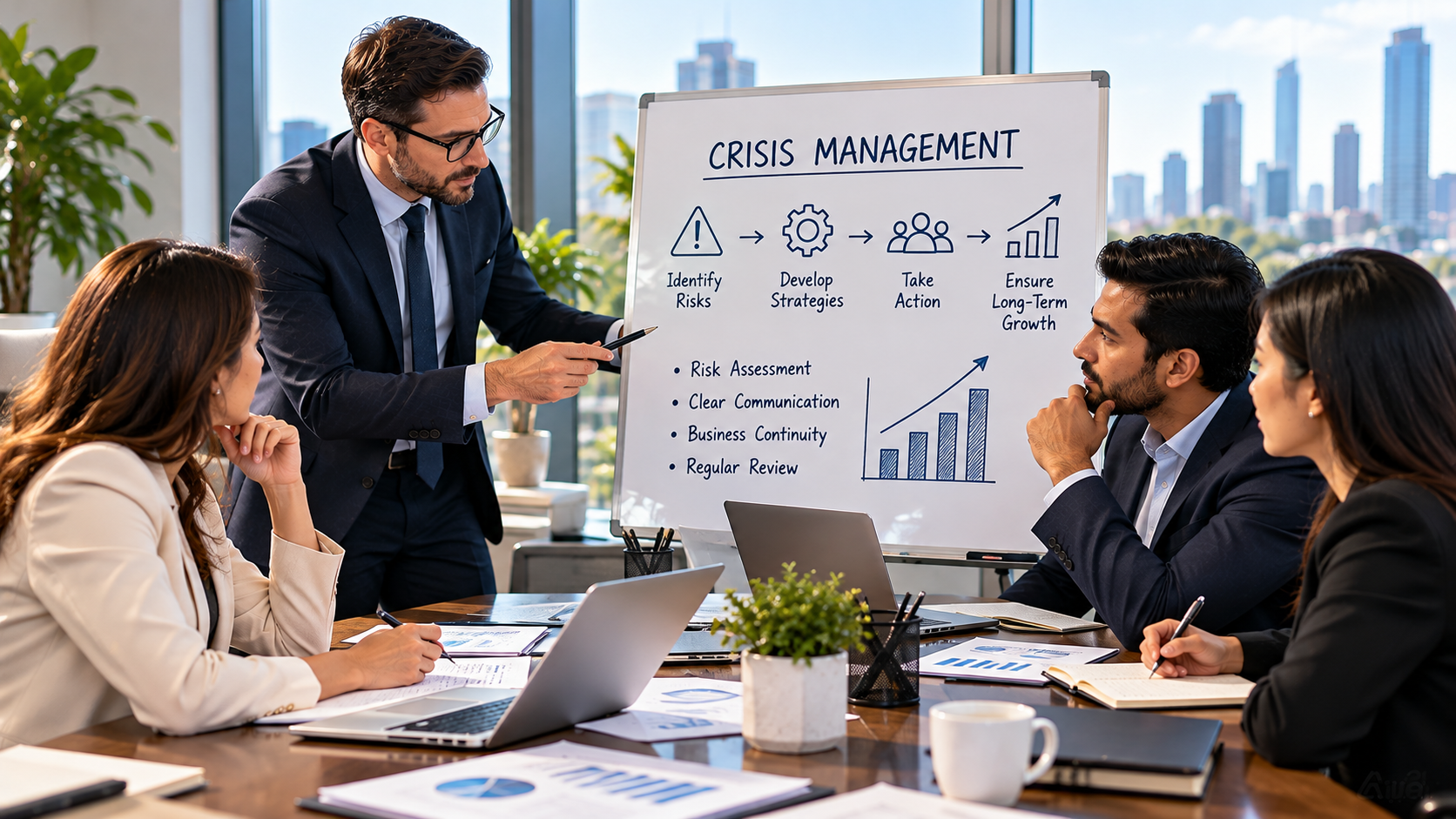
Unexpected events can create serious challenges for companies of every size. Therefore, businesses need clear systems to handle disruptions, protect employees, maintain customer trust, and keep critical operations running. Business-focused professionals such as Ian King Los Angeles understand that strong preparation helps companies respond with confidence while protecting their long-term goals.
However, effective crisis management involves more than reacting when something goes wrong. Companies should identify risks early, prepare backup plans, train employees, and create reliable communication procedures. As a result, businesses that prepare before a crisis occurs can reduce confusion, limit losses, and recover more efficiently.
Identify Business Risks Before They Become Serious
First, business leaders should identify the events that could interrupt normal operations. These risks may include technology failures, supply chain problems, financial pressure, workplace incidents, natural disasters, or negative publicity. Understanding these threats gives leaders more time to prepare practical solutions.
In addition, companies should assess each risk's likelihood and potential impact. This process helps managers decide where to focus their resources. As a result, businesses can prioritize the most serious threats instead of treating every possible risk the same way.
Create Clear Leadership Roles During Emergencies
A crisis can become more difficult when employees do not know who has authority to make decisions. Therefore, companies should establish a crisis leadership team with clearly defined responsibilities before an emergency occurs.
Moreover, leaders should assign specific duties related to operations, employee communication, customer support, technology, and public messaging. As a result, each team member knows what to do, helping the company respond faster and avoid conflicting decisions.
Build a Strong Crisis Management Strategy
A detailed crisis management strategy gives businesses a clear framework for responding to unexpected events. Therefore, the plan should explain responsibilities, communication procedures, backup resources, decision-making authority, and recovery priorities.
Furthermore, companies should design the strategy around their actual operations rather than using a generic plan. Different industries face different risks, so leaders should consider their employees, customers, suppliers, technology, and locations. As a result, a tailored approach can provide more effective guidance in difficult situations.
Maintain Reliable Communication With Key Stakeholders
Clear communication helps prevent confusion during a crisis. Therefore, businesses should establish procedures for sharing information with employees, customers, suppliers, investors, and other important stakeholders.
In addition, leaders should communicate only verified information and avoid creating unnecessary uncertainty. Companies can use email, websites, internal systems, phone calls, and social platforms when appropriate. Accurate, timely updates can help maintain trust even when operations face serious disruption.
Protect Employees and Essential Business Assets
Employees should remain a major priority during any emergency. Therefore, businesses should create safety procedures, emergency contact systems, evacuation plans, and remote work options when appropriate.
Additionally, companies should protect important assets such as financial records, customer information, equipment, intellectual property, and digital systems. Strong protection measures can reduce losses and help the organization restart operations faster after a disruption.
Prepare Backup Systems for Critical Operations
Businesses should never depend entirely on one system, supplier, or location for essential activities. Leaders should therefore identify backup options for technology, data storage, suppliers, communication tools, and work locations.
Moreover, backup resources should be tested regularly. A system that exists but does not work during an emergency provides little value. As a result, regular testing helps companies confirm that alternative resources can support operations when primary systems become unavailable.
Strengthen Business Continuity for Long-Term Stability
Effective business planning helps companies maintain essential services while recovering from a major disruption. Leaders should therefore determine which functions must continue immediately and which activities can temporarily pause.
Businesses should also identify the employees, technology, suppliers, and resources needed to keep critical operations running. As a result, continuity planning helps companies reduce downtime while protecting customer relationships and financial stability during difficult periods.
